


In Spartan racing, hydration is not a wellness habit. It directly affects power output, endurance capacity, coordination, pacing decisions and heat regulation.
Most athletes only notice dehydration once performance starts falling apart: heavy legs on climbs, slower obstacle transitions, rising heart rate, mental fog, poor pacing decisions, or cramping late in the race.
By that stage, the physiological decline is already underway.
Research consistently shows that losing as little as 2% of body weight through fluid loss can reduce aerobic performance, impair cognitive function and compromise thermoregulation. For a 70kg athlete, that’s roughly 1.4 litres of fluid loss.
In a Spartan race, where terrain, grip strength, running economy and decision-making all interact under fatigue, that matters.
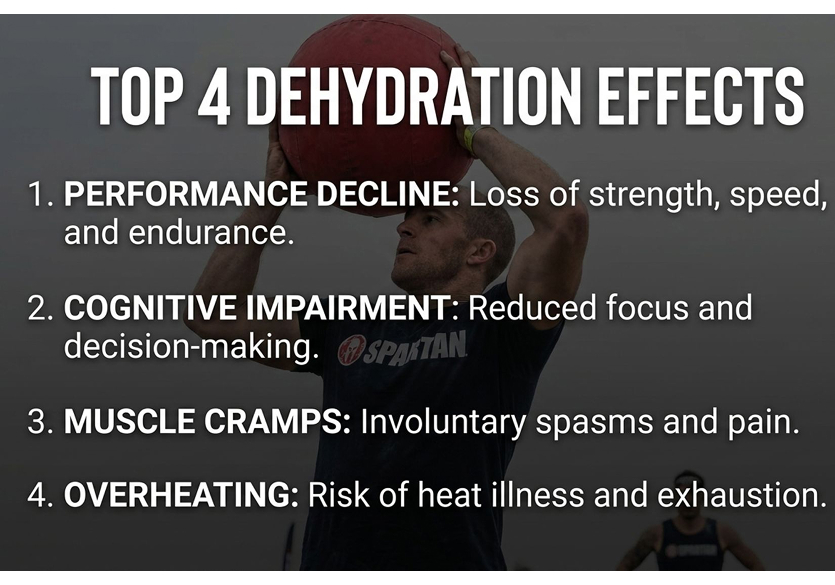
What Dehydration Actually Does to Performance
Reduced Aerobic Capacity
At around 4–5% dehydration, VO₂ max declines significantly as blood volume drops and cardiovascular strain increases. Your body becomes less efficient at delivering oxygen to working muscles.
Increased Core Temperture
Even mild dehydration reduces the body’s ability to dissipate heat through sweating and circulation. Core temperature rises faster, increasing heat stress and perceived exertion.
Impaired Coordination and Decision-Making
Obstacle racing is not purely aerobic. Technical execution matters. Research shows dehydration can impair concentration, reaction time and motor control before athletes even feel seriously thirsty.
Sweat Loss Adds Up Fast
During high-intensity training or warm-weather racing, sweat losses commonly exceed 600ml per hour and can surpass 1 litre per hour in some athletes. Across a Beast-distance event, total fluid losses can easily reach 2–3 litres.
Thirst Is Not an Early Warning System
Thirst lags behind physiological dehydration. Waiting until you feel thirsty means you’re already operating in a fluid deficit.
Effective hydration is proactive, not reactive.
Hydration Training Starts Before Race Week
Train Hydration Like You Train Grip Strength
Race day doesn't reveal your fitness. It reveals your habits. The athletes who hold together in the back half of a Beast aren't just stronger, they've spent weeks training their gut to absorb fluids efficiently, dialing in electrolyte balance, and understanding their individual sweat rate.
Hydration is a skill, not an afterthought. Train it the same way you train your grip.
Daily Fluid Intake: A Useful Baseline
A practical starting point for daily hydration is approximately 35ml of fluid per kilogram of body weight.
That means:
70kg athlete → ~2.5L/day
80kg athlete → ~2.8L/day
Training load, heat, altitude and sweat rate all increase requirements.
This baseline is not a target ceiling. It is maintenance intake before training losses are accounted for.
Why Water Alone Is Sometimes Not Enough
Sweat contains sodium, potassium and smaller amounts of magnesium and calcium. Sodium matters most because it regulates fluid balance, nerve signalling and muscle contraction.
During longer sessions, replacing water without electrolytes can dilute blood sodium levels excessively — a condition known as hyponatraemia.
While uncommon, exercise-associated hyponatraemia is a recognised endurance-sport risk and is usually caused by excessive plain-water intake combined with sodium loss.
For sessions lasting longer than 60 minutes, especially in warm conditions, electrolyte-containing fluids are generally more effective than water alone.
Urine Colour: A Simply Daily Check
Hydration monitoring does not need to be complicated.
A pale straw-yellow colour is typically a good indicator of adequate hydration. Dark amber urine usually indicates fluid deficit. Completely clear urine may suggest overconsumption of fluids without sufficient electrolytes.
Check first thing in the morning and again later in the day to identify trends across a training block.
Hydration Targets for Longer Training Sessions
For sessions exceeding 90 minutes:
Drink approximately 400–500ml in the 1–2 hours before training
Aim for 150–250ml every 15–20 minutes during exercise
Use electrolytes during longer or hotter sessions
After training, replace around 150% of estimated fluid losses over the following few hours
Weighing yourself before and after long sessions can help estimate sweat losses with reasonable accuracy.
Race-Day Hydration Strategy
The Night Before Matters More Than the Start Line
Starting a race already dehydrated creates a deficit that is difficult to correct once intensity rises.
Stress hormones, elevated heart rate and reduced gastric emptying during competition all make fluid absorption less efficient once the race begins.
Hydration preparation starts the evening before.
Night Before: Establish Fluid Balance
Drink 500–750ml of electrolyte-containing fluid with dinner
Avoid excessive alcohol intake
Continue sipping fluids through the evening without force-drinking
The goal is normal hydration status, not aggressive overconsumption.
Two Hours Before Your Wave
Consume approximately 400–600ml of fluid with sodium 2 hours before the start.
This allows:
time for absorption
stabilisation of plasma volume
bathroom access before racing
Avoid excessive drinking immediately before the start line. Overfilling the stomach can impair comfort and pacing early in the race.
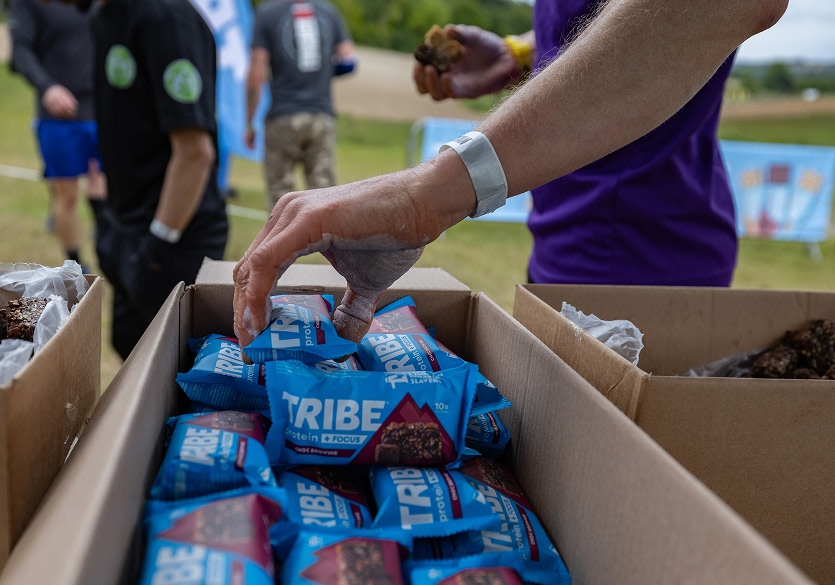
On Course: Use Aid Stations Consistently
In shorter Sprint events, some athletes can tolerate minimal fluid intake.
In Super and Beast distances, that approach becomes increasingly risky.
Use aid stations consistently:
take small, frequent amounts
sip rather than gulp
prioritise electrolyte fluids when available
continue drinking even in cold conditions where thirst response drops
Small fluid deficits compound over technical terrain and prolonged effort.
Post-Race Recovery Starts Immediately
The first 30 minutes after finishing are important for:
fluid replacement
glycogen restoration
muscle recovery
A recovery drink containing both protein and electrolytes is generally more effective than water alone.
Alcohol immediately post-race delays rehydration and recovery processes.
Functional Hydration Options for Spartan Athletes
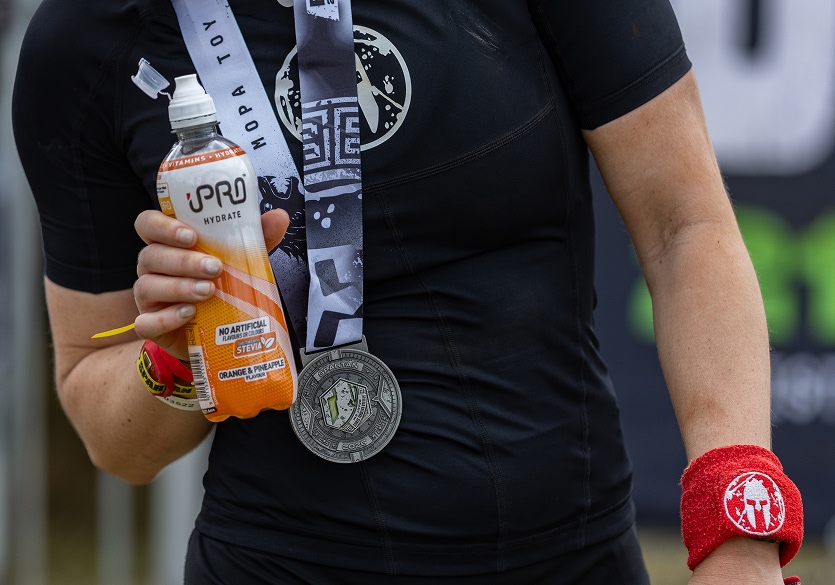
iPRO Hydrate & Protein Water is designed for athletes who want hydration and recovery support without high sugar intake or heavy shakes.
Key features:
20g collagen protein per bottle
sugar-free formulation
added B vitamins
non-carbonated for easier use around training
WADA-compliant testing standards
Its lighter texture makes it more practical than traditional milk-based recovery shakes immediately after hard sessions or races.
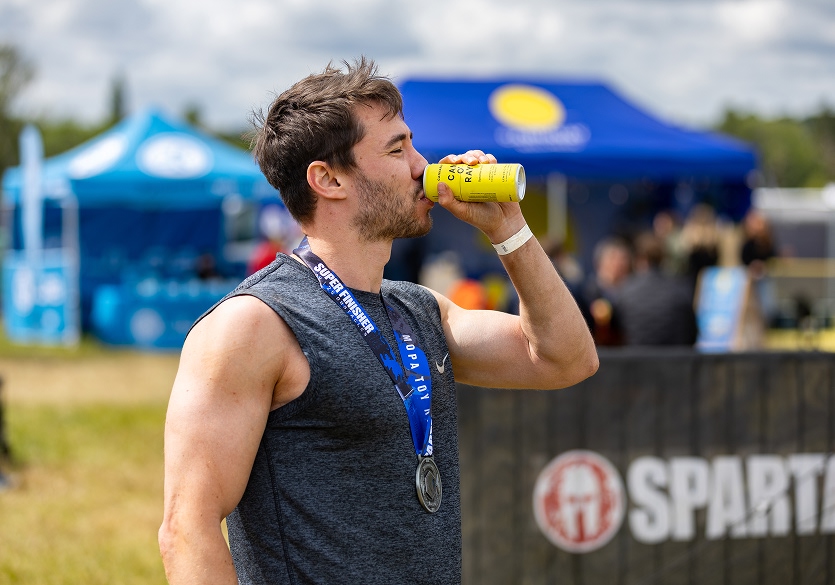
Recovery Starts When the Session Ends
Hard training leaves a mark. Long trail efforts, carries, hill repeats and obstacle work all create fatigue that accumulates across a training block.
Can ‘o’ Rays functional wellness drink fits into the recovery window after those sessions when the work is done but your body is still absorbing the cost of it.
Light, convenient and easy to keep in your kit bag, it’s built for athletes looking to reset properly after high-output training days.
Hydrate. Recover. Get ready to go again.
Building a Smarter Hydration System
No single product solves hydration on its own.
Effective endurance hydration usually combines:
adequate daily fluid intake
sodium replacement
structured race-day timing
post-session recovery nutrition
consistency across the training cycle
The best hydration strategy is the one that remains repeatable under fatigue, travel, poor weather and race stress.
Your training plan determines your fitness.
Your hydration habits determine how much of that fitness actually shows up on race day.
You trained for the workload so don’t lose performance to preventable dehydration.

SPARTAN EDITORS help people develop the systems, psychology and game plan they need to get their minds and bodies into peak condition.


